Something Stinks In D.C. As DEI Sewage Pollutes The Potomac
The DEI quota System strikes again. This time, in the form of a stinking and dangerous sewage rupture that is wreaking havoc on the Potomac River in Washington, D.C.
The problems with social justice warriors is they don’t create or even enhance justice. The changes that they call equity have nothing to do with equality. All DEI has done is create division and discontent, and those issues, though major, are not even the worst of the consequences.
DEI advocates become so engrossed in its implementation that it becomes all-consuming. So much so that even though it may be far from the most pressing priority, it supersedes those of greater need. It diverts attention from what needs to be done to the leftist delusions liberals prefer to focus on.
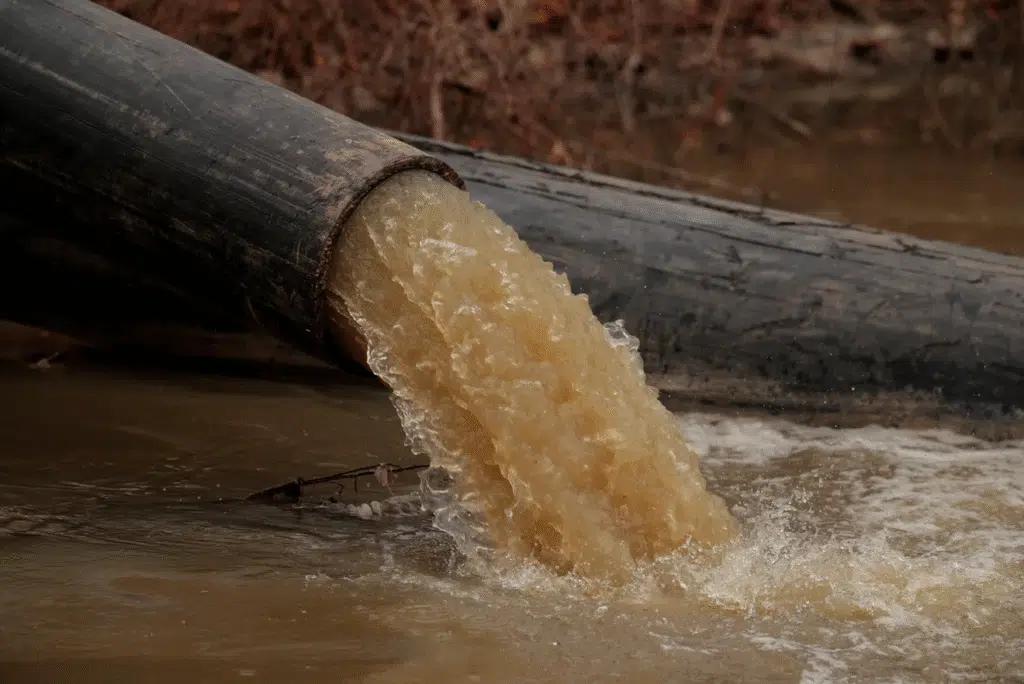
A current example is what is taking place in Washington, D.C. An interceptor has ruptured, resulting in over 240 million gallons of untreated raw sewage pouring into the Potomac River. This is not some minor sewage spill; in fact, it is the largest spill in U.S. History.
I have mentioned in previous columns that I have some medical experience in my past. That includes two years of study in bacteriology. Human feces are dangerous. Two of the main bacteria present are Escherichia coli (E. coli) and Staphylococcus aureus (S. aureus), (Staph).
E. coli is transmitted through the fecal-oral route, primarily via consuming contaminated food (undercooked meat, raw produce, unpasteurized dairy), drinking contaminated water, or direct person-to-person contact (especially in childcare) from poor hygiene, and also through contact with infected farm animals or their environments. Ingesting even a small amount of the bacteria can cause illness, making hygiene crucial for prevention.
E. coli can make you sick with watery diarrhea, vomiting, and a fever. Shiga toxin-producing E. coli (STEC) is most likely to cause severe illness and possible death.
S. aureus (Staph) Infections typically appear as red, swollen, and painful skin bumps, often referred to as boils or abscesses. These bumps may feel warm to the touch and can ooze pus. Severe symptoms of infection may include fever, chills, rapid heartbeat, and, in more serious cases, such as bloodstream infections or MRSA, individuals may experience intense pain, confusion, and low blood pressure, even death.
The D.C. Water CEO is David Gadis. He was selected for the position in 2018, and apparently, he immediately started implementing DEI standards. In February 2022, he gave an interview on “Good Day AWWA.” In that Interview, he clearly stated his priorities, and DEI was chief among them.
“You know, when I arrived at DC Water, this was an organization that looked very similar to our industry: It was predominantly, you know, white male at the top.”
“But this is a utility that’s — you know, more than 70 percent of color work at this utility. And I really believe — it has been fantastic, the outcomes have been fantastic, but the people at the top, the chiefs in that C-suite, they should look like the employees that they serve and that they work with. And the same thing with the community.”
“And so my executive team, you know, looks exactly like the community, it looks like the employees, the staff — be it people of color, women, men, and it’s just a fantastic team that has come together to do a lot of great things here at DC Water and in the community for the customers.”
Translation: There were too many whites, and Gadis, who is black, set about to change that.
I’m sure residents in D.C. can take comfort in knowing that there is now a more “equitable” hand-picked group of individuals handling this disaster. Who needs merit and experience, at least the DEI color, sexual orientation, and gender quotas are in line with Gadis’s delusion.
The failure occurred on January 19 near the Clara Barton Parkway in Montgomery County, Maryland. The 72-inch-wide pipe typically carries about 60 million gallons of waste daily.
Earlier this week, the New York Times put it this way:
“The sewage flooded into the river unencumbered for about a week, until D.C. Water, the utility that owns and operates the sewer line, was able to divert it to a section of pipe downstream that runs to a water treatment facility. But there have been intermittent sewage spills as recently as Feb. 10, and the utility expects it will be four to six weeks before the pipe is repaired.”
“Drinking water has not been affected. But initial testing found elevated levels of E. coli and Staphylococcus aureus, the bacteria that causes Staph infections, as well as antibiotic-resistant MRSA, prompting concern about the impact on boating, fishing and other recreational activities that have been flourishing in recent years.”
In an open letter last week, Gadis sounded clueless about the severity of what had taken place. He was still talking about the importance of communicating with the public and trying to blame the system’s age for the failure.
“We recognize that describing response actions and infrastructure details does not erase the environmental impact or the concern this incident caused. For those who live near the river, recreate on it, or work every day to protect it, witnessing this unfold was distressing. We hear that clearly.”
“This incident has also underscored a broader reality facing utilities across the country: much of the infrastructure that protects our waterways was built decades ago, long before today’s environmental standards, population growth, and climate pressures. The Potomac Interceptor – more than 60 years old – is a critical regional asset, conveying wastewater from across the metropolitan area to the Blue Plains Advanced Wastewater Treatment Plant. Its failure reinforces why sustained investment and vigilance are essential.”
The math here isn’t difficult. Gadis took the position in 2018, that’s eight years ago. Now he claims the failed pipe connection is over 60 years old. So, when he moved in, the connection was probably between 55 and 60 years old.
His priorities, however, weren’t the age of the infrastructure. Instead of addressing a real problem proactively, it was more important to Gadis to incorporate DEI and make his department more pleasing to the eye of liberals.
This is the phony balloon that surrounds Democrats and the radical left. They create chaos, then blame others when it fails. Gadis had a responsibility to assess the infrastructure and work to upgrade it. But it’s obvious from the 2022 interview that he spent at least the first four years implementing DEI quotas rather than doing his job.
Now D.C. is swimming in filth from the largest sewage spill in U.S. History.
Democrats and the liberal left prove their incompetence every single day. They count on the naïve headline readers to believe their lies when they blame their chosen scapegoats.
It’s a tough reality to face, but Gadis, for all of his incompetence, will probably remain in his position because of his skin color. Telling the truth in 2026 probably gets you called a bigot, a racist, or a fascist.
The truth is color blind, Democrats and the MSM are not.