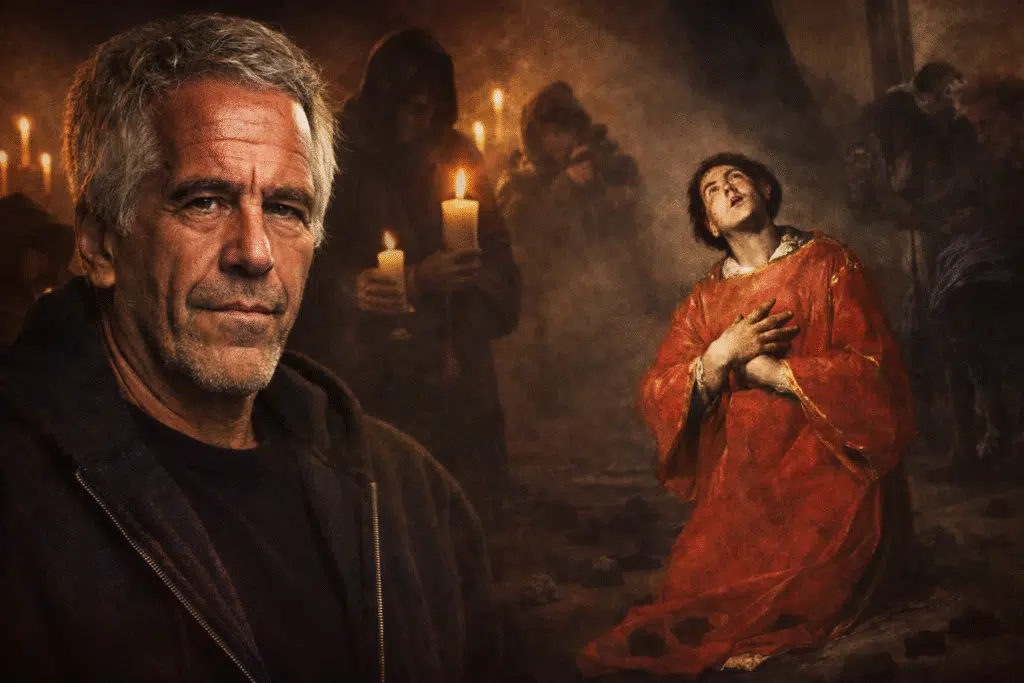
FATIMA FACTOR | Pius X Warned the World: PASCENDI, Infiltration, & the Modern PSYOP | YouTube
What if the greatest war in Church history wasn’t fought with swords, but with words? What if the real infiltration continued not just in the 1960s, but had a very important pit stop in 1907–with one encyclical, one pope, and one quiet prophecy that the world ignored?
In this episode of the FATIMA FACTOR, we return to Pope Pius X and his groundbreaking encyclical ‘Pascendi Dominici Gregis,’ a document that diagnosed the deepest sickness of the modern age–Modernism–and warned that it would one day consume the Church from within. But was he merely describing a heresy, or foreseeing a strategy? A psychological operation designed to reshape faith itself?
Was Pius X seeing ahead to Vatican II? To the loss of reverence, the collapse of catechesis, the confusion of doctrine, the cult of emotion masquerading as mercy? Or was he simply reminding the faithful that the ancient war between truth and the world never ended–only changed its disguise?
If the Church was once militant, how did she become passive? When did conviction become “judgmental,” and when did discernment become “uncharitable”? And if Pius X warned us, why didn’t we listen?
This episode traces one piece in the spiritual and intellectual roots of the modern crisis through the lens of ‘Pascendi,’ infiltration, and the rise of psychological warfare inside theology and society. For those who still believe the Church is divine, but wounded–for those who refuse to accept that the Holy Ghost failed–this is where the conversation continues.
00:00 Introduction to the Militancy of the Church
00:54 Historical Context and Spiritual Pathogen
01:54 Spiritual and Temporal Militancy
02:39 Papal Responses to Modernism
02:56 The Role of Archangels and Lost Traditions
04:06 Infiltration and Loss of Faith
08:06 Modernism and Its Consequences
10:12 The False Church and End Times
12:11 The Devil’s Deception
15:43 Modernism’s Camouflage and Pius X’s Warnings
24:44 The Digital Age and Spiritual Propaganda
36:56 Conclusion: Vigilance and Return to Tradition