Why Are Conservatives So “Hostile” To That Bad Bunny Super Bowl Spectacle?
Facebook followers keep asking me why conservatives are so upset about Bad Bunny.
But folks, that question kind of misses the point.
Most conservatives I know aren’t “mad” at Bad Bunny, but uneasy about what his halftime moment represented. And how quickly you’re expected to applaud or keep quiet.
I grew up in Mississippi, a place where you could dislike a song, a movie, or a performer without it turning into a moral hearing. You didn’t owe anyone an explanation. You just changed the channel.
Somewhere along the way, that stopped being enough.
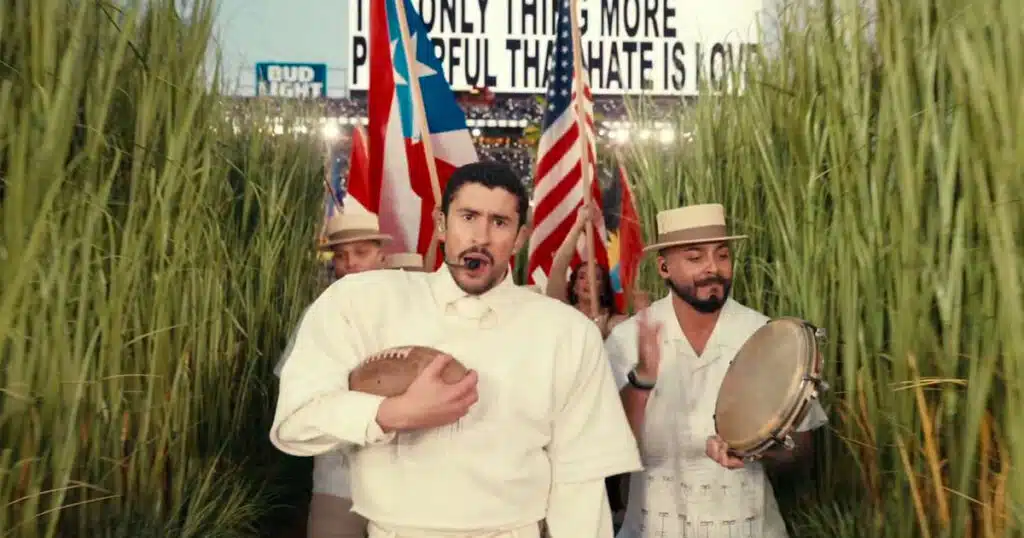
Bad Bunny isn’t simply a musician anymore. He’s a cultural signal. The halftime show wasn’t meant to reach a broad audience so much as to announce who modern pop culture is for, and who it no longer feels any obligation to speak to.
That’s what people reacted to.
It wasn’t prudishness. It wasn’t fear of race or Spanish lyrics. It wasn’t shock over dancing or sexuality. This country gave the world Elvis, Prince, Madonna, and plenty of others who pushed buttons. Americans have never been strangers to provocation.
What’s different now is the posture.
The message isn’t “here’s something new.” It’s “this is the future, and if you don’t like it, that’s your defect.”
Discomfort isn’t allowed to sit quietly anymore; it must be mocked or corrected.
For a lot of conservatives, Bad Bunny wasn’t the real issue.
The issue was being reminded, once again, that mainstream culture no longer even pretends to include them. It’s not that their tastes are outdated. It’s that their presence is treated as an inconvenience.
There’s also a deeper weariness underneath all of this.
Working people who don’t track pop culture like a second job are tired of being lectured by industries that openly look down on them. They watch prices climb, bills stack up, and towns thin out. Then they get told that what really matters is celebrating whatever the cultural tastemakers decided was “historic” this week.
When they shrug or turn away, it gets framed as hostility.
It isn’t.
It’s disengagement.
There’s a bit of irony here. The same crowd that insists representation matters can’t seem to grasp why millions of Americans feel unrepresented by what passes for national culture. When conservatives say, “This doesn’t speak to me,” the response isn’t curiosity. It’s just ridicule.
That tells you plenty.
This isn’t about music, as bad as it may be. It’s about belonging. About whether ordinary people still have the freedom to say, calmly and without apology, “This isn’t for me,” without being treated like a problem.
For most conservatives, the reaction to Bad Bunny wasn’t anger. It was indifference mixed with recognition. Recognition that the country’s cultural gatekeepers are talking past them, not to them.
And when people stop feeling seen, they stop pretending. They simply look elsewhere.
And they change the channel.