RADIO: Trump’s 5K Rebate Is Counterprogramming, A Tough Road for Democrats in Texas, And AI Regulation Backlash
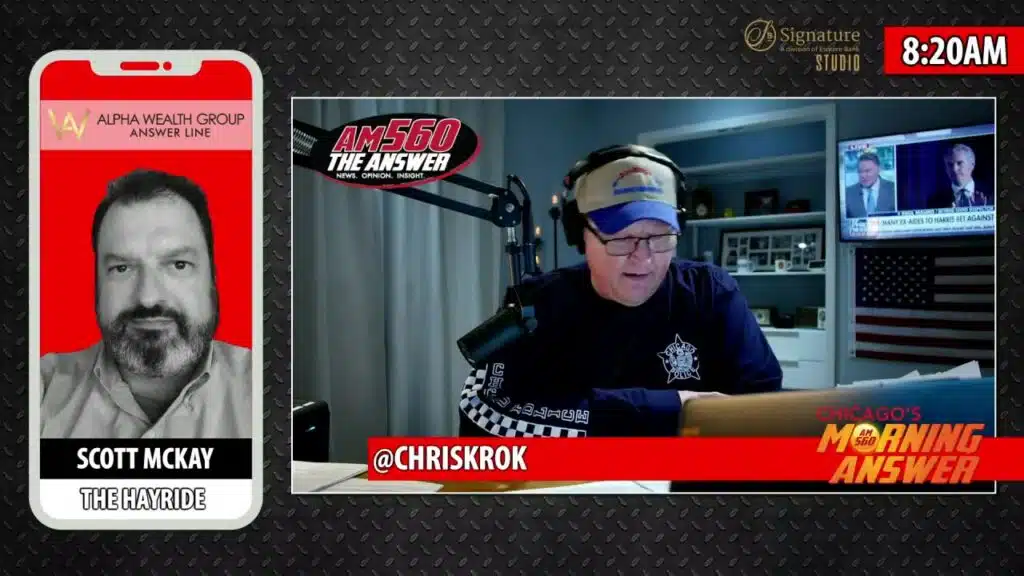
Scott McKay, publisher of The Hayride, senior editor at The American Spectator and author of the new novel The Necessary Men, joined Chicago’s Morning Answer to weigh in on the midterm outlook, a handful of pop culture controversies and the political fight over artificial intelligence. Chris Krok, filling in for Dan Proft, led the conversation. Krok opened by joking that he was jealous of McKay’s forecast of a 64-degree day while Chicago was still stuck in 90-degree heat on September 21.
Krok began with McKay’s column on President Trump’s proposed $5,000 rebate, which McKay has called a pander that will not actually happen. McKay said the idea works best as counterprogramming against Democrats, whom he described as promising to make Americans’ bills go away through large new government programs. Compared with that, he said, a $5,000 check is a fairly tame pitch, even if it does nothing to address inflation. He acknowledged that the proposal does not appear to have caught on, noting that it was floated at a convention a week ago and that almost nobody is talking about it now. Still, he argued that if the debate is going to be about free money, handing voters a check and letting them decide how to spend it is a better message than a government program that delivers only a fraction of what it costs.
Krok pointed to Michigan Senate candidate Abdul El-Sayed’s support for Medicare for All and estimated the price tag at roughly $15,000 per person. McKay said that figure may be optimistic because it does not account for fraud. He argued that each expansion of a public program, from Medicaid under Obamacare to SNAP and child care, has been accompanied by significant fraud, and he pointed to cases in Minnesota as an example. He estimated that fraud could inflate program costs by 20 to 30 percent and said he sees the current push from the Democratic Socialists of America to expand these programs as building on a template that already exists. He tied that view to the Cloward-Piven strategy, a theory from the 1960s that holds that overloading the welfare system could force sweeping political change.
On the midterms, McKay said he is more optimistic about the House than Krok, who said he fears Republicans will lose it and expects the party to hold the Senate. McKay noted that Democrats would need to win 57 of roughly 77 swing districts to take control, that they are short on money compared with Republicans and that some of their candidates are, in his words, weird. He also cited a little-discussed Supreme Court decision on political ad rates, saying Republicans held back their ad buys until the new rates took effect and can now flood the airwaves, though he doubted advertising moves votes as much as it once did.
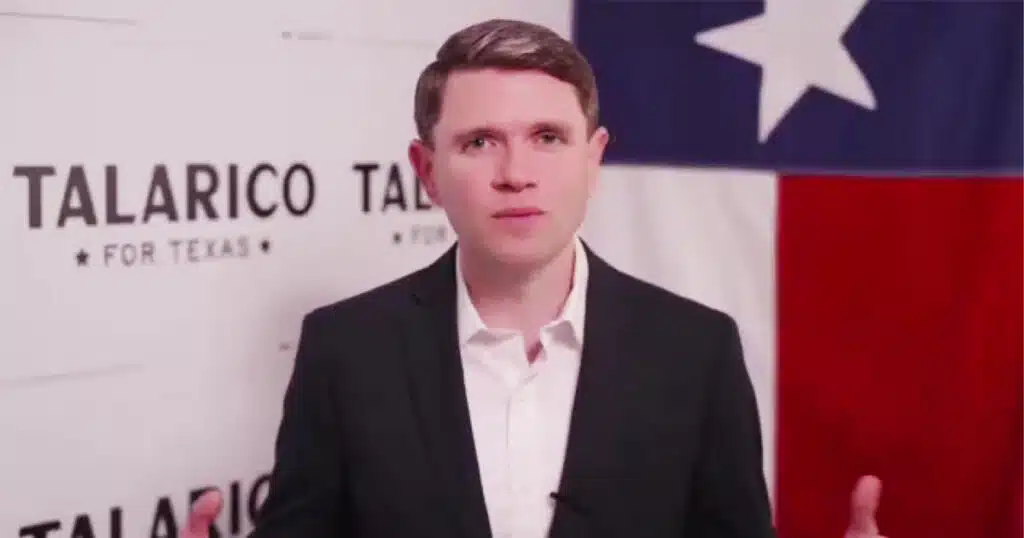
Turning to Texas, McKay said he does not believe Democratic Senate candidate James Talarico can win the state. He argued that Talarico would have trouble turning out Black voters at the levels Barack Obama once did, that his Hispanic support is unclear and that Republicans will hammer him on transgender issues. McKay said he thinks Republican nominee Ken Paxton would win by at least the margin Ted Cruz posted against Beto O’Rourke in 2018. He credited Paxton’s record as attorney general, including multistate lawsuits against the Biden administration and Big Tech, and said much of the pessimism about Paxton’s chances is coming from allies of Sen. John Cornyn, Karl Rove and the Bush family, who he said would rather lose the seat than see Paxton prevail. Krok and McKay both said they see little chance for El-Sayed in Michigan.
The pair then moved to pop culture. Krok raised a controversy over a Converse All Stars commercial featuring a K-pop performer, in which a cropped and paused frame was circulated online as though it depicted a hanging. Both men said the image was simply the performer’s arm holding a shoe while wearing a white dress. Converse responded by apologizing, which Krok and McKay both criticized. McKay said he has seen this kind of manufactured outrage before, when someone zooms in on a frame and crops it to make it look like something it is not.
On singer Ed Sheeran, Krok said the artist erred by allowing an activist and Macklemore to appear on stage with him and then hedged when apologizing, saying the October 7 attacks on Israel were horrible but adding qualifiers. McKay said that most pop stars are not deep thinkers, that Sheeran tends to follow the advice of publicists who lean left and that he likely believes adopting pro-Palestinian positions will raise his profile. McKay contrasted that with the fact that the fifth season of the Israeli series Fauda, which he said deals with October 7, is the top streaming show in Lebanon, and he urged viewers to watch it.
On actress Sydney Sweeney’s ad for a sports betting company, which has drawn criticism, McKay said her appeal comes from being fun and charismatic and that critics of her marketing are not. He said the backlash to the backlash has largely won the day, and that the controversy only makes her more valuable to the audience she is marketing to.
In the last segment, Krok asked about Democratic calls for AI regulation and their warnings that the technology is apocalyptic. McKay said he views OpenAI and Anthropic as the bad actors, arguing that they are seeking help from Democrats to be regulated in order to protect themselves from financial and legal trouble, since neither is profitable yet and both could face lawsuits from trial lawyers when harms materialize. He predicted that the apocalyptic framing will not succeed, that individuals will soon build customized AI chatbots of their own and that within three to five years people will not need Claude or ChatGPT. He suggested that a prominent voice such as Elon Musk could puncture the argument for regulation by pointing out that these companies have not made money.
McKay’s novel, The Necessary Men, is set to be published on Saturday, September 26, and will be available on Amazon and through his website. Coming up later on the program, Krok said, are more on the Converse controversy and Ed Sheeran, Republican lieutenant governor candidate Aaron Del Mar’s remarks about George Floyd, the city of Chicago’s appeal over the fate of Illinois license plate reader cameras and a proposal to sue gun makers over what has been described as $20 billion in annual costs from gun violence in the state.