Oregon Dweebs Want To Ban Hunting, Fishing, And Livestock Farming
More madness from the left coast. A proposal to make it illegal to kill animals for food in Oregon is moving closer to being included on the November ballot. The initiative, known as IP-28, would prohibit the injury or killing of animals, effectively banning hunting, fishing, and the breeding of animals.
The Oregonian reported that proposed legislation would make it illegal to kill or injure any animal, even while attempting to catch or shoot your dinner. This legislation would not only ban hunting and fishing but also prohibit the slaughter of livestock, the use of animals in rodeos, and the use of animals for scientific research.
It would also prohibit operating a commercial poultry business and the castration, neutering, or inseminating of livestock, among other practices.
Gubernatorial candidate Sen. Christine Drazan (R-Canby) told the Statesman Journal:
“It’s an all-out assault on Oregonians’ way of life. It criminalizes ranchers, farmers, meat producers and threatens to kill thousands of jobs. It would mean the end of hunting and fishing in Oregon, killing not only traditions and ending access to an essential source of food, but butchering natural resource-based industries that support hunting and fishing.”
The sponsors of this madness call it the People for the Elimination of Animal Cruelty Exemptions (PEACE) Act. Essentially, it would amend Chapter 167 of the Oregon Revised Statutes to remove certain exemptions to animal cruelty laws. The measure would criminalize:
- Hunting, fishing, and trapping of animals
- Slaughter of any animal for food
- Actions currently protected as good animal husbandry in existing state law (e.g., dehorning cattle, docking livestock, and castration or neutering of livestock)
- Commercial poultry operations
- Any farming practice that causes physical injury, stress, or fails the minimum care standards established in the initiative
- Certain wildlife management practices (e.g., culling programs, invasive species control, predator management)
- Setting mousetraps, pest extermination, or rodent control if it causes physical injury or death to a protected animal
Yes, you read that correctly. If passed, IP-28 would amend state animal cruelty laws, broadening legal protections to encompass all living animals, including pests and vermin. This change would criminalize the intentional injury or killing of these animals. Traditional pest control methods, like using poison or snap traps for rats and mice, would be considered animal abuse.
While you cannot kill them, IP-28 does not prohibit non-lethal management. The idiots who came up with this nonsense will allow you to block passageways to keep them out of your home, and you can use humane live-catch traps to catch and release them, as if people actually have the time to worry about that.
There have been other animal treatment bills in the country that have addressed certain hunting methods, wildlife trafficking, farm animal confinement, animal fighting, racing, and animal experimentation. But none has sought to criminalize all hunting, fishing, the slaughter of animals for food, the livestock husbandry, or vermin control.
To qualify the initiative for the ballot, the campaign must submit 117,173 valid signatures, which is equal to 6 percent of the votes cast in the last gubernatorial election. So far, they have gathered around 120,000, which still has to be verified.
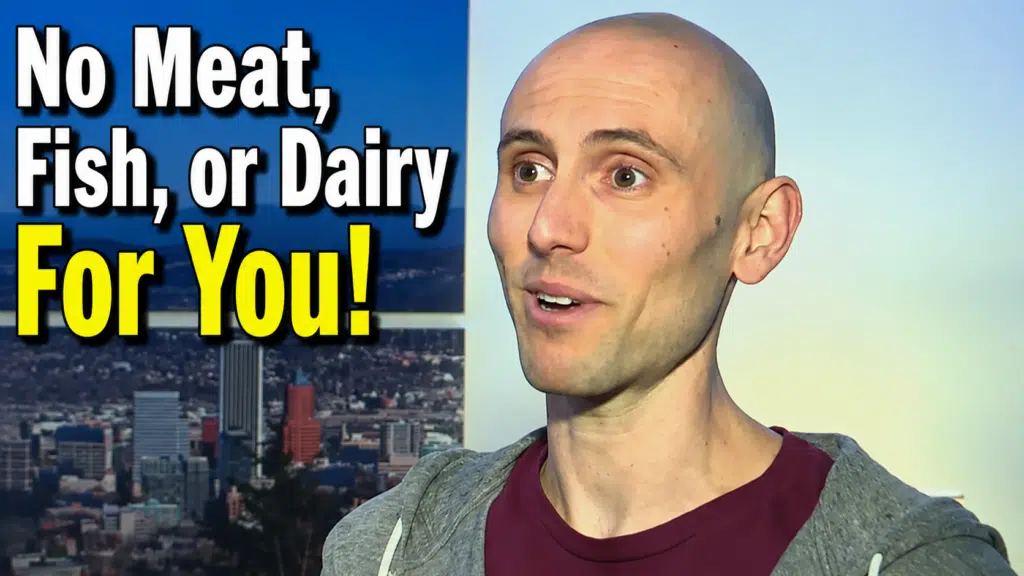
The chief imbecile behind this stupidity is David Michelson, a Portland-based nut job activist who, as you can see, looks about like what you would expect. He has filed similar iterations like this in previous years.

Michelson acknowledges that he is “under no illusion that IP 28 will pass this year,” but he believes that getting it on the ballot will ignite a conversation that could ultimately lead to success. He compares this effort, which resembles initiatives in California and Colorado, to the women’s suffrage movement, which required several elections to succeed. “I think it will help people think differently,” Michelson says. “If we can force a vote, we can normalize the conversation.”
Comparable to the women’s suffrage movement? Come on. This is nothing like that. Only in the mind of a far-left fool would these two totally separate attempts at change seem alike.
The campaign makes no secret of its ultimate goal: to force a societal transition away from killing animals entirely and to force it towards all plant-based foods.
Agricultural organizations in the state, from small groups like Friends of Family Farmers to the Oregon Cattlemen’s Association, view the PEACE Act as a significant threat.
Lauren Kuenzi of the Oregon Farm Bureau put it this way:
“Not only is this effort misguided, but it would also criminalize many aspects of agriculture, from the production of animal-based foods and recreational activities to pest control. This is nothing more than an attack on those who adhere to strict animal care standards designed to keep animals healthy and safe.”
Banning fishing or crabbing on the Oregon coast would have a devastating impact on those coastal communities. Consider the dairy farmers, as well as the producers of Tillamook cheese and ice cream. Cattle ranching in Eastern Oregon and the Willamette Valley is also at risk. This could lead to the loss of hundreds of thousands of jobs and many supporting industries.
This is another ridiculous leftist attempt at being outrageous. When will these people understand that everything has ramifications, and you can’t just make drastic social changes without hurting people who are doing no harm?
Michelson’s delusions should not be imposed on millions of others. To date, approximately $250,000 has been spent on this campaign, which includes a $10,000 contribution from People for the Ethical Treatment of Animals (PETA) and $30,000 from the Craigslist Charitable Fund. This influx of national funding has enabled the campaign to hire paid signature gatherers, transforming it from a fringe local effort into a professional political operation.
All so it can be voted down by rational people in November.
That $250,000 could have been used in many ways that would have actually benefited people or animals, but then Michelson wouldn’t have had his 15 minutes of notoriety.