Why Cuba Won’t Likely Put up Much Resistance to a US Invasion
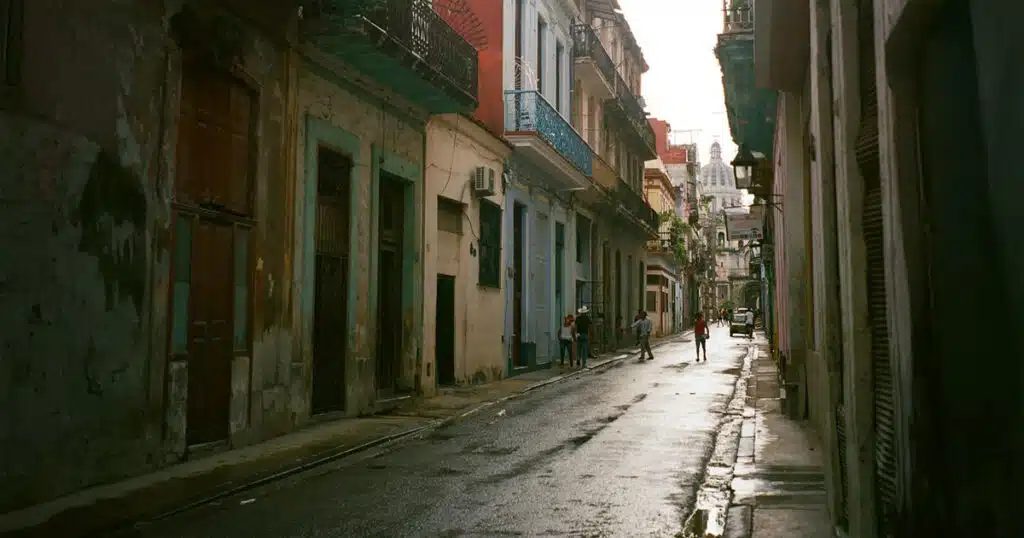
The idea of a free Cuba is unfathomable to most Americans. While some US citizens are old enough to remember Cuba before the 1959 Revolution, to most in the US, the idea of a Democratic nation 90 miles off the coast of Florida is nothing but an idea. Fidel Castro came to power, like most communists, with dramatic speeches and big declarations. The son of a wealthy landowner who grew up poor, like most embracing the communist ideology, also eventually established an authoritarian dictatorship and gave up on the ideas of workers’ rights, the proletariat, or Democracy in general. The embargo, a failed Cuban government, and the more recent collapse of Venezuela have put this country on the brink of collapse.
The US decision to indict Raúl Castro for his connection to a terrorist plot to take out several US planes multiple years ago makes clear that the Trump administration is going to move forward in Cuba. This was a similar action to the one the President took before kidnapping Maduro, and while military action is far from inevitable in this situation, Trump has made clear once again that all options are on the table. Many Americans still remember the ill-fated Bay of Pigs invasion, which, as history has shown, was actually set up to fail in order to get JFK to authorize a full-scale invasion. That event is irrelevant today, though, Cuba is a very different and much weaker country than it was in the 1960s.
The Cuban military relied heavily on Soviet subsidies and military aid during the Cold War, and the country was also a large beneficiary of cheap oil from Maduro prior to the capture of the Venezuelan dictator. Today, the Cuban nation is facing severe energy and power shortages, a crippled economy, and a military with largely old and outdated parts that the Embargo has prevented the country from updating. Cuba’s military is in many ways a relic of the Cold War, and while there is an open question of whether or not the Cuban people would embrace an American invasion, most credible intelligence reports that have been made public suggests there will not be much resistance to the US taking out the real power running Cuba, Fidel’s brother Raúl Castro.
An invasion of Cuba would not likely be difficult or costly for the US. The island is just 90 miles from the US, and the country has very minimal defenses. The Cuban people, starving and ready for freedom, are also unlikely to be willing to fight or die for a brutal regime that has failed on every front to provide even the most basic goods and services to them. Most Cubans are now from a younger generation, and they likely don’t have the same memories or hatred of the US that older people from the island who remembered Bautista’s brutality and support from the US harbored. America is likely just an idea to the most Cubans who were born in the last 30 years, few if any, have seen or encountered the US military.
Indeed, while the left would likely, as always, call any US military action in Cuba an imperialistic act, the primary beneficiary of America removing the current dictatorship running the country would be the Cuban people. Just as the Venezuelan citizens were the main individuals to benefit from Maduro’s removal, freedom and opportunity returning to Cuba would be both a positive and powerful image of the good the United States can do in the world. An action to take out the dictatorship would also be entirely consistent with Trump’s America First foreign policy, since this effort would remove a potential ally to China or Russia just off the nations’ borders as well.