U.S. Will Shine as Primary Host, Competitor, in World Cup
In the hectic and troubled times in which we live, we seek unifying worldwide events. In fact, it could be said that global competition underscores the international language of athletics. One such event is upon us.
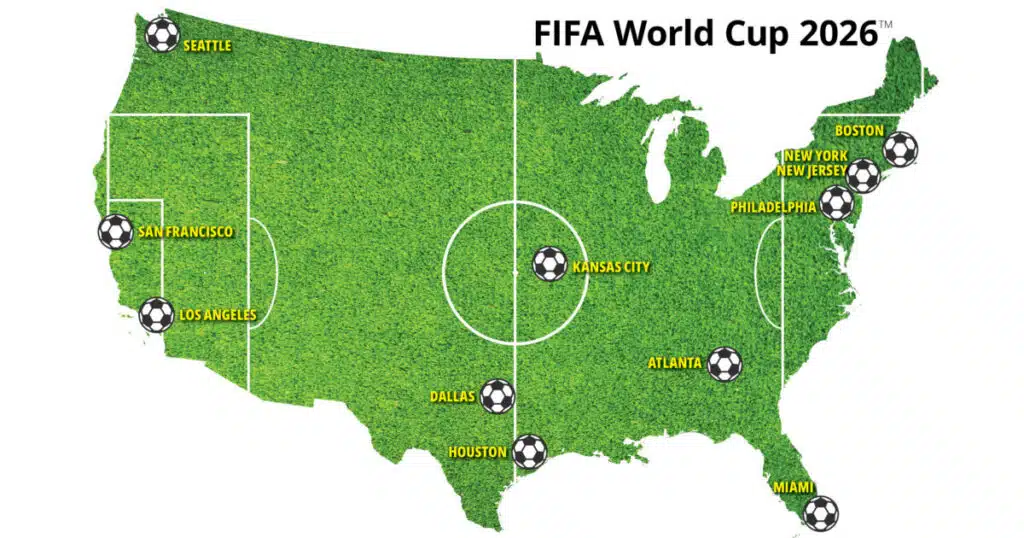
The FIFA World Cup soccer competition will be played primarily in the U.S. over the next few weeks. Although co-hosted by Mexico and Canada, 78 of the 104 matches across 11 cities will be played in the U.S. As we are certainly aware, the 2026 World Cup coincides with America’s 250th Anniversary, providing a once-in-a-lifetime opportunity to highlight American ingenuity, world-class hospitality, and athletic excellence. In fact, Fox News reports that “Europeans are obsessed with America during 2026 World Cup stay.”
The FIFA World Cup features 48 (expanded from 32 teams in 2022) national teams playing across two primary phases: the Group Stage and the Knockout Stage. Teams earn points, 3 for a win, 1 for a tie, and 0 for a loss. Ties that aren’t decided after regulation go to extra time and often dramatic penalty shootouts.
This is exciting! The tournament kicked off on Thursday June 11th and will last 39 days, concluding on July 19th in New Jersey after matches across the three countries.
An undertaking of this magnitude is not easy to organize and produce. The Wall Street Journal has observed “organizing a World Cup is a colossal undertaking no matter where the tournament is held … but the challenge of coordinating a World Cup co-hosted by the U.S., Mexico and Canada exceeds anything attempted in the 96-year history of the tournament.” (WSJ, 6-11-26).
Revenue from the tournament is also mind boggling–the last World Cup in 2022 generated around $7.5 billion. This one is expected to generate in the neighborhood of $11-13 billion.
While we Americans love our American football—which we are delighted begins in a few weeks—it is dwarfed by the World Cup. At our American Super Bowl each year approximately 130 million Americans tune in to watch the game. By contrast, across the world some 5 BILLION will watch the World Cup! That’s astounding.
While we will be fervently pulling for the U.S. soccer team—and I’m happy to report that this past Friday, the U.S. soccer team defeated Paraguay!—the two most famous soccer players in the world will be on hand playing for their respective countries.
They are Cristiano Ronaldo of Portugal and Lionel Messi of Argentina. (One writer described Ronaldo and Messi this way: if an engineer designed the greatest soccer player in the world, he would design Cristiano Ronaldo. If an artist drew the greatest soccer player in the world, he would draw Lionel Messi). Many of us may also recall past soccer legends Pele’ and Diego Maradona who left an indelible imprint on the world soccer stage.
More than anything, what we are drawn to by such a monumental event is the golden opportunity to welcome the world to our country and the chance to witness, nation versus nation, athlete versus athlete, who rises to the occasion, meets the global moment and claims what many consider to be the greatest title of all—World Cup champion.
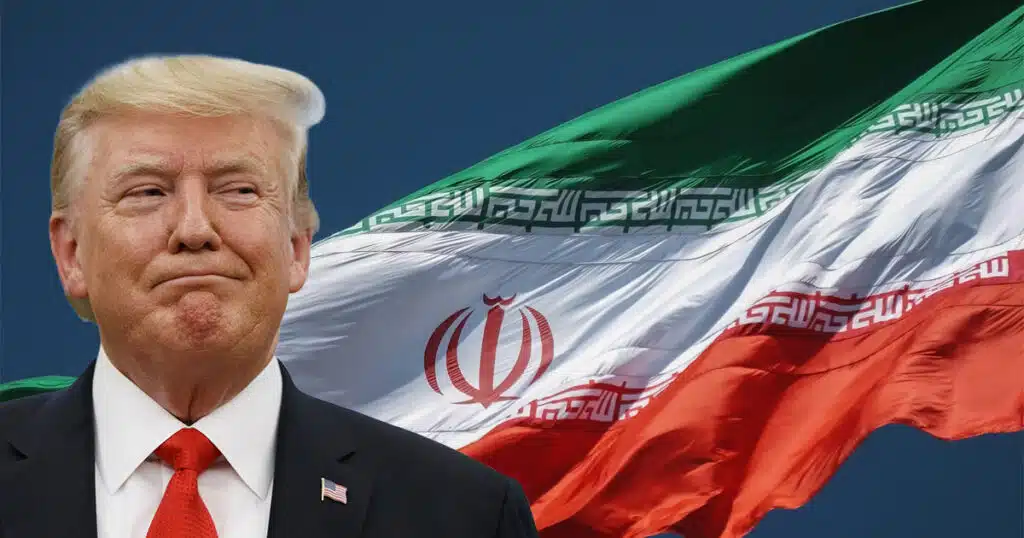
FIFA head, Gianni Infantino, believes the World Cup is about much more than just sport. “Football (soccer) is about joy, happiness and smiles, while bringing people together from all over the world to create shared moments for billions of fans.” He added that it’s not only “the biggest sporting event on the planet” but also “a chance to invest in something that connects and inspires with a truly global audience.” (These feelings of inclusion and universality are such that President Trump has even stated that he doesn’t have an objection to the Iranian national soccer team attending and competing).
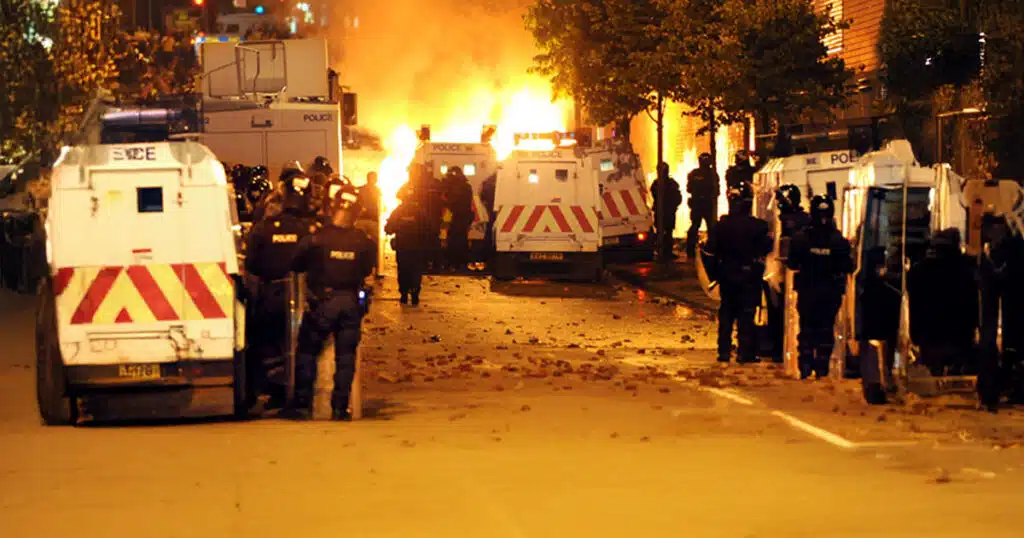
And, while some “localized, largely non-violent protests over social and economic issues are likely to target World Cup events in the U.S.” (S&P Global) that is expected to be the extent of it. ICE has also stated that no large-scale illegal immigration enforcement actions are planned at World Cup events.” (N.Y. Times).
I am hopeful that even beyond the great athletic competition between, and spectacle of, 48 nations of the world and their proud athletes rubbing shoulders with each other in many different languages, that a simple but universal truth emerges: while our religions, cultures and forms of government may differ dramatically, we are all human beings and we are far better off coexisting peacefully.